İnce Minareli Madrasa
Museum of Stone and Wood Art
The Seljuk vizier Sahib Ata Fahreddin Ali founded this madrasa as a school of hadith; according to its endowment deed it was finished before 1265, and its architect was Kölük ibn Abdullah. Its stone portal, framed by bands of Qur'anic inscriptions, is one of the most striking pieces of Seljuk stonework. A museum of stone and wood art since 1956, the building went under restoration in 2024, so check its status before visiting.
About
Stop for a moment in front of this portal. A stone band carrying verses from the Surah Yasin rises on both sides of the door and ties a knot above the arch. The other band above the arch bears the Surah al-Fath.
Both inscriptions begin and end incompletely and continue as they turn beneath the eaves. This is the İnce Minareli Madrasa. The Seljuk vizier Sahib Ata Fahreddin Ali built it as a school where hadith was taught, a dar al-hadith.
The building has no construction inscription; but because the 1265 section of its endowment deed mentions the madrasa, we know it was finished before that year. The architect's name is written in the medallions on the portal: Kölük ibn Abdullah. Inside, you enter a domed courtyard with a fountain at its centre.
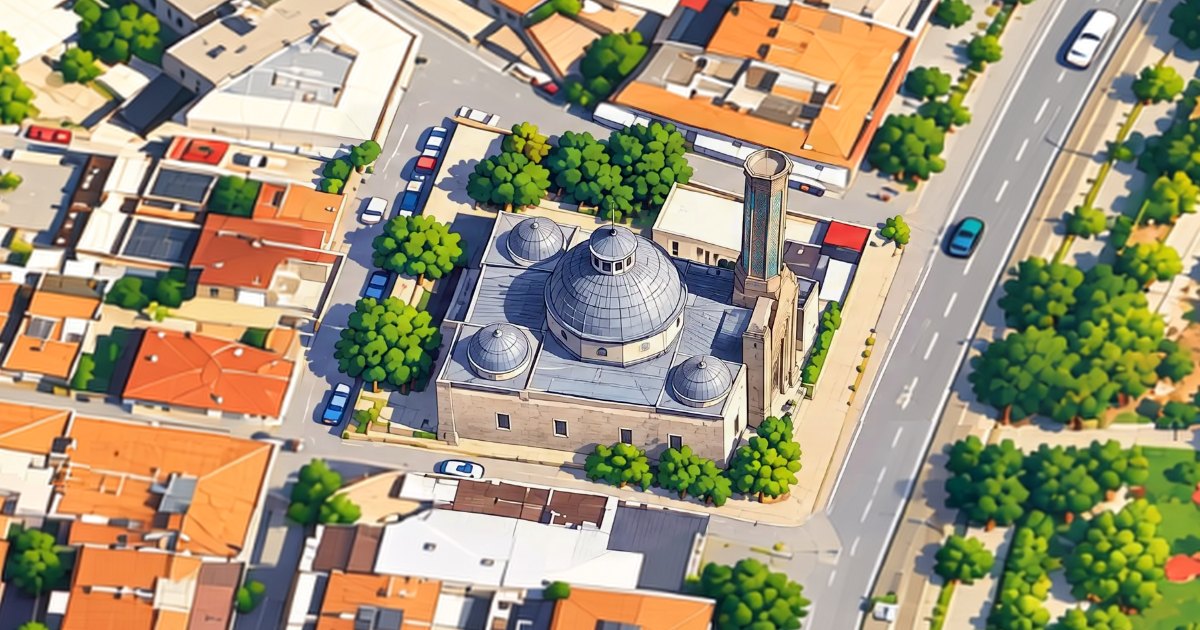
The dome is decorated with turquoise, deep blue and brown glazed bricks, and around its drum a phrase in Kufic script declaring that sovereignty belongs to God is repeated. The minaret that gave the madrasa its name belonged to the small mosque attached to the building. The mosque was demolished in 1929 and rebuilt during the repairs between 2000 and 2002.
The minaret's brick shaft, rising on a stone base, is adorned with blue glazed bricks. It originally had two balconies; in 1901 a lightning strike destroyed its upper part. The building opened in 1956 as the Museum of Stone and Wood Art.
Its collection holds about 200 works from the Seljuk, Beylik and Ottoman periods. Most of the stone reliefs come from Konya's citadel; the double-headed eagle, the lion, the dragon and the elephant are among them. Two reliefs of winged angels were brought from the city's old Market Gate.
The wooden section includes door and window leaves and carved ceiling centrepieces. Did you know? During the repairs of 2002, the original clay pipes that carried water from the main hall to the pool were discovered, and they were put on display beneath a glass floor.
In October 2024 the General Directorate of Foundations began a new restoration of the madrasa, so please check whether the museum is open before you go.