İzzet Koyunoğlu City Museum
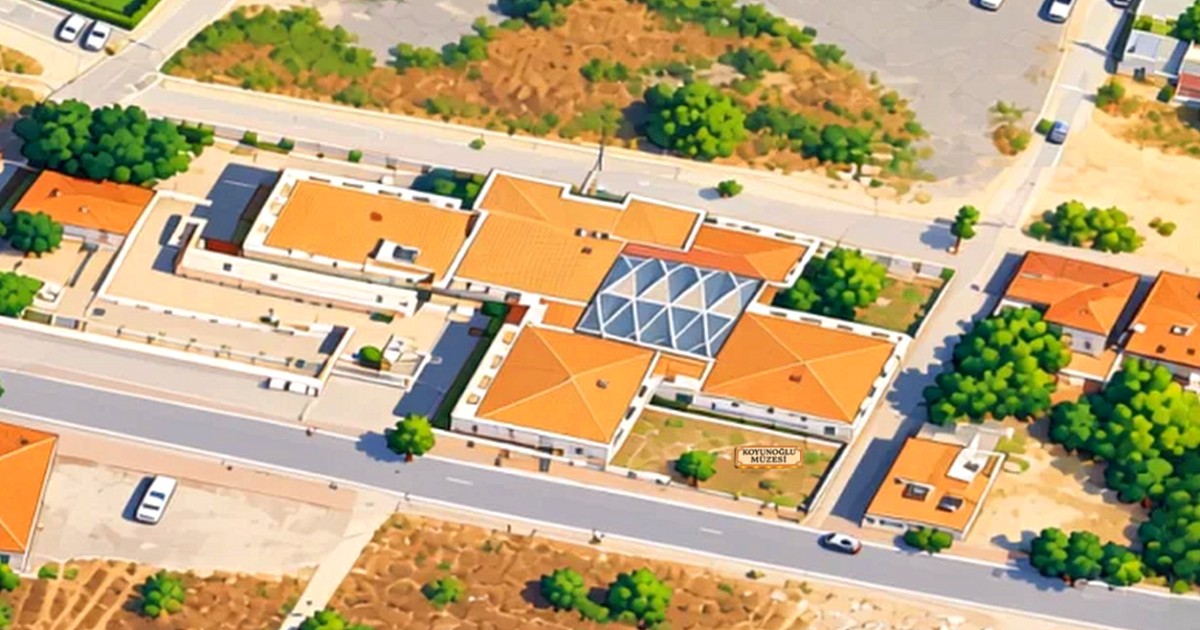
A museum born from the objects that Konya collector Ahmet Rasih İzzet Koyunoğlu gathered from 1913 onwards. Koyunoğlu donated his collection to the city in 1973, and the museum opened in its present building in 1984. Highlights include archaeology, natural history, ethnography, carpets and kilims, and the historic Konya House in the garden.
Visitor information
- Address
- Kerimdede Mah. Kerimler Cad. No:19, Karatay/Konya
- Visiting
- Pazar hariç her gün 08.00–17.00
About
This museum is the work of one man's lifelong curiosity and of his love for his city. Ahmet Rasih İzzet Koyunoğlu was born in 1900 in his family home in Konya's Topraklık quarter. He came from a long-established family whose lineage went back to the Seljuk vizier Sahib Ata.
He studied at the Halkalı School of Agriculture in Istanbul, joined the War of Independence as a reserve officer and was awarded the Medal of Independence. After the war he worked for the State Railways, was sent to Germany for training, rose to chief inspector and retired in 1956. His passion for collecting began very early.
While still a child, from 1913 onwards, he began to gather historical objects, documents, and handwritten and printed books. His aim was to prevent valuable works from falling into foreign hands. After retiring, he displayed his collection in his home.
Despite very high offers from foreigners he sold none of it, and on 4 July 1973 he donated his museum and library to the city. In this way a collector's home became the museum of the whole city. The foundation stone of the new building was laid in 1977, and the museum opened to visitors in 1984.
An exhibition area of about 3,000 square metres offers a wide-ranging journey. There are archaeological finds from the civilisations of Anatolia, coins and calligraphy panels. In the natural history section you can see fossils, minerals and volcanic bombs.
The ethnography section displays regional clothing, carpets, kilims, old weapons and a collection of prayer beads. Old photographs of Konya await anyone curious about how the city once looked. Did you know?
The old Konya House at the western end of the garden is the house where Koyunoğlu was born, grew up and died; it was also the museum's first building. With its plan arranged around an inner hall, the house is a fine example of the classic Turkish house, and it has been furnished true to the original. Its lower floor displays Koyunoğlu's personal belongings and photographs.
After touring the museum, don't forget to spend a little time in the rooms of this house.