Konya Government House
A large 19th-century Ottoman government building with an inner courtyard, just south of the Şerafettin Mosque. Long used as the governor's office, it is planned to become a library and museum, with the opening expected in 2027.
About
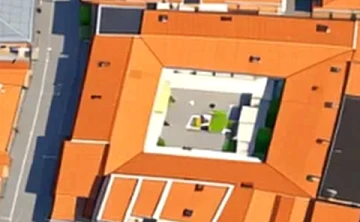
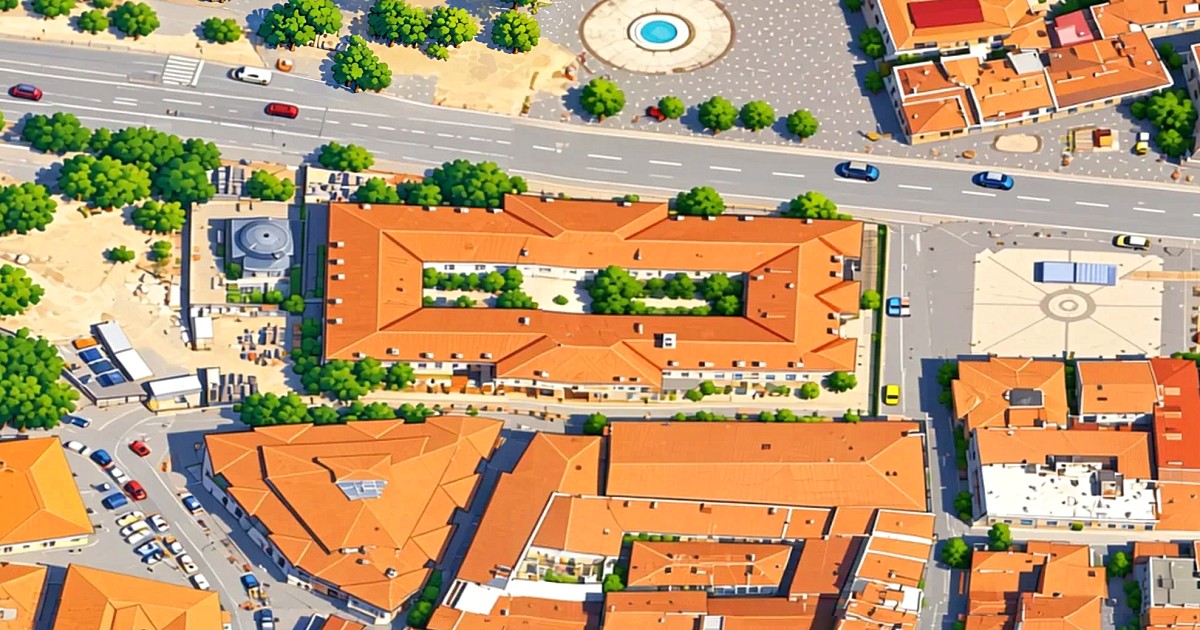
Just south of the Şerafettin Mosque, this large building with an inner courtyard at its centre is the Konya Government House. It is also called the Governor's House or the Provincial House; for many years the city was run from here. Its story goes back to the mid-19th century, when the Ottoman state reorganised its provincial administration.
With these reforms, the old provinces, the eyalets, were turned into vilayets. So that the governor, the provincial assembly and the state offices could work side by side, large government houses began to be built in the provincial capitals. Konya's present government house rose in the last quarter of the 19th century.
A plan of the building dated 1890 is kept in the Ottoman archives. It was prepared by İstepan Efendi, a master builder working in Konya at the time. According to this plan, the rectangular building has an inner courtyard at its centre; a corridor runs around the courtyard on all four sides, and thirty spaces of different sizes open onto it.
The main door is marked by an entrance with four columns and three openings. Today's facade shows the neoclassical style that was often chosen for official buildings of the period. Now the building is preparing for a new life.
Under the announced project, the basement and ground floor will become a library where students can study, and the first floor will house a museum. The silicone statues of seventeen members of the Seljuk dynasty, twelve of them sultans, now displayed at the Dar'ül Mülk, are also planned to move here. These statues were made with the help of CT scans and DNA analyses of the remains of the dynasty members who rest in the tomb on Alaeddin Hill.
The building is expected to open in 2027. Did you know? The Alevi Sultan Tomb and Mosque, built in the late 13th century, once stood right next to the building on its west side; these buildings were later demolished.
To appreciate the symmetry of the facade, we suggest looking at the building from a little distance.