İplikçi Mosque
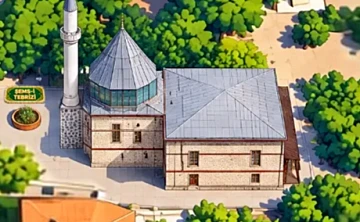
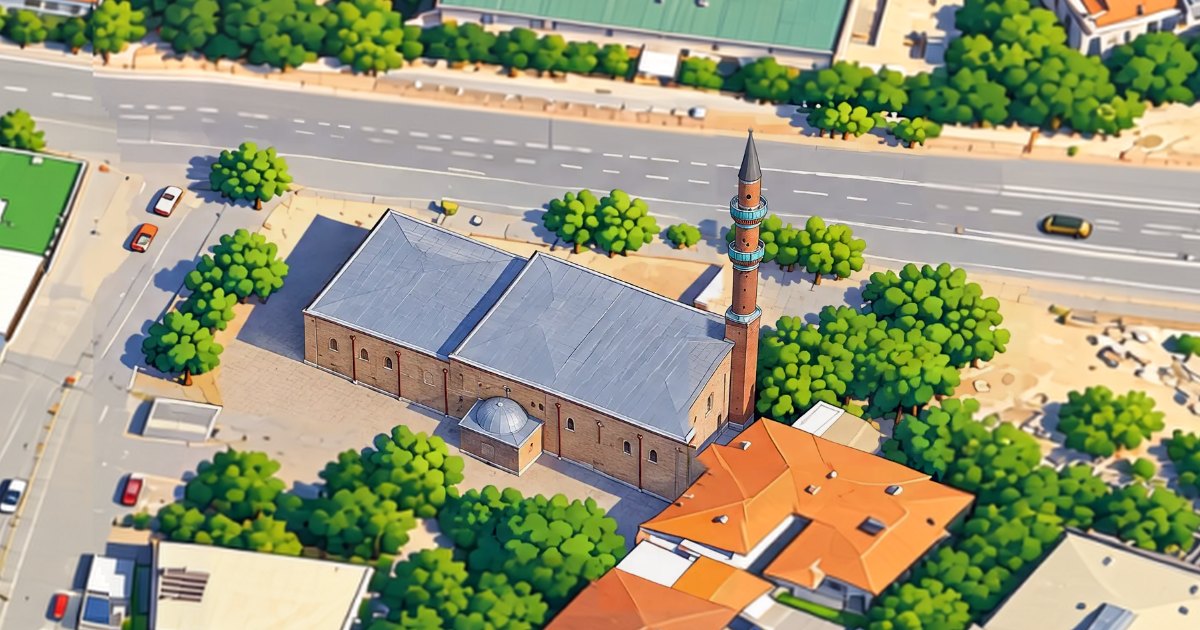
One of Konya's early mosques, built under the Anatolian Seljuks at the beginning of the 13th century. Its name comes from the yarn makers' market nearby and from İplikçi Necibüddin Ayaz, administrator of the endowment of the neighbouring Altun-aba Madrasa. According to the stories of Ahmed Eflaki, Mevlana preached here.
About
You are now in front of one of Konya's mosques that go back to the Seljuk period, east of Alaeddin Hill: the İplikçi Mosque. When it was first built at the beginning of the 13th century, it was known as the Ebülfazl Mosque. So where does its curious name come from?
Nearby was the yarn makers' market, and the administrator of the endowment of the neighbouring Altun-aba Madrasa was a man named İplikçi Necibüddin Ayaz. Over time the mosque, too, became known as İplikçi, the yarn maker. The madrasa's endowment deed is dated 1202 and is an important clue for dating the mosque.
Its first founder, however, is debated: some researchers credit Ebülfazl Abdülcebbar of Tabriz, others Altun-aba, who built the madrasa. In the stories of Ahmed Eflaki it is told that one Friday Mevlana was preaching in this mosque. This suggests that by the middle of the 13th century it was an important religious centre.
According to its inscription of 1333 the building was enlarged and renewed, and an endowment deed of 1431 records that Ebülfazl Ahmed Bey restored it. The mosque follows the plan of 13th-century Seljuk mosques: seven aisles running at right angles to the mihrab wall are linked by arches. In places you can see courses of cut stone and brick used together in the walls.
The Baroque-style mihrab you see today dates from the 19th century. Beneath it and the floor lie the remains of the original Seljuk mihrab. Decorated with turquoise, purple and dark blue tiles, it is considered one of the earliest examples of Anatolian Seljuk art.
Did you know? Three domes once rose along the axis between the entrance and the mihrab, and the two near the entrance had a rare oval shape. Old photographs show that these domes were removed after 1900.
In 1951 the building opened as a section of the Konya Museum, and in 1960 it opened again for worship. As you enter, imagine that these walls may once have heard Mevlana's voice, and please visit outside prayer times.