
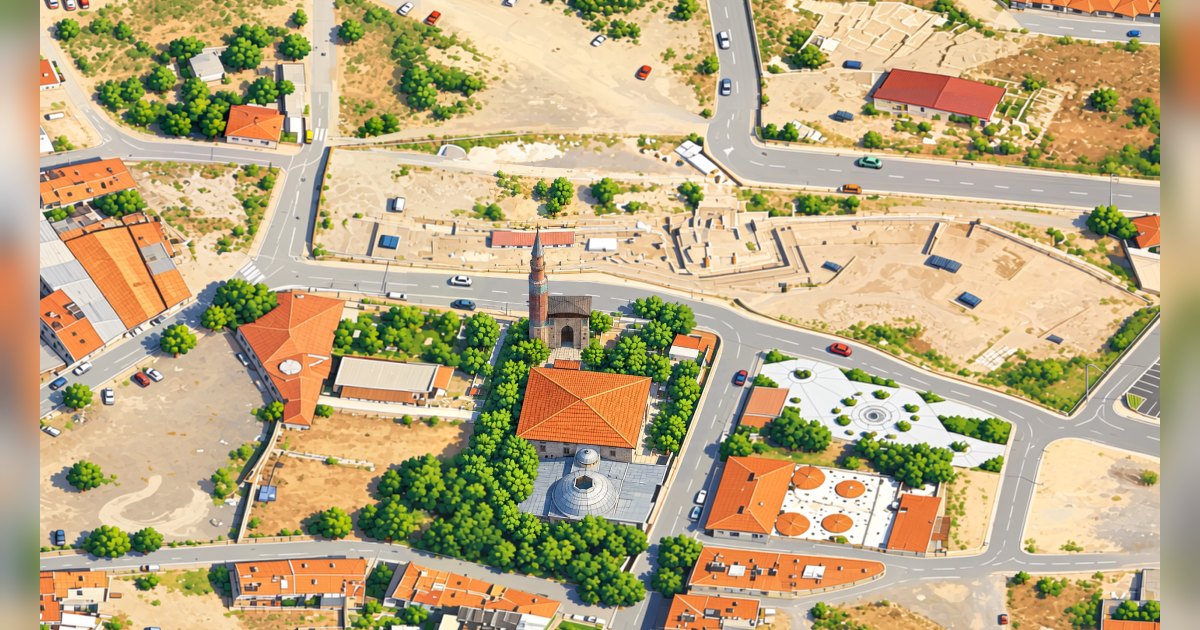
Sahib-i Ata Complex and Foundation Museum
The Seljuk vizier Sahib Ata Fahreddin Ali began this complex in 1258; it comprises a mosque, a tomb, a dervish lodge and a bathhouse. The mosque's architect was Kölük ibn Abdullah; the present mosque building dates from a renewal in 1871, while the tiled prayer niche survives from the original. The lodge of 1279 now houses the Sahib-i Ata Foundation Museum, run by the General Directorate of Foundations.
About
On either side of the tall portal you will see two fountains with muqarnas windows. They once gave water to passers-by, and their basins below were made from ancient sarcophagi. This is the Sahib-i Ata Complex.
The Seljuk vizier Sahib Ata Fahreddin Ali, who came from a Konya family, began building it in 1258, and the work went on until 1283. The complex includes a mosque, a tomb, a lodge where dervishes stayed, and a double bathhouse. Sahib Ata first served at court as the emir in charge of justice, and in 1260 he rose to the rank of vizier.
To meet the Mongols' heavy demands for money, he sometimes used his own wealth. Because of his charitable works he was called Ata, meaning father. He commissioned about eighteen buildings, including the İnce Minareli Madrasa and the Gök Medrese in Sivas.
Eflaki mentions him among the people in Mevlana's circle. The mosque's architect was Kölük ibn Abdullah, whose name appears in the medallions on the fountain façade. To the right of the portal rises a minaret with sixteen flutes; the portal is thought to have once had twin minarets.
Over the centuries the mosque went through fires and repairs, and the present building dates from 1871. But the tile mosaic prayer niche and the wooden door leaves of the north entrance, made in the kündekari technique, have survived from the original building. The walls of the tomb next door are covered with turquoise hexagonal tiles, and inside there are six tiled sarcophagi.
Sahib Ata died near Akşehir in 1288 and rests here, beside sarcophagi believed to belong to his sons and his daughter. The lodge dates from 1279; after a restoration by the General Directorate of Foundations, it opened as the Sahib-i Ata Foundation Museum. Its collection includes wooden door leaves, carpets, kilims, candlesticks, manuscripts and calligraphy panels brought from Konya and its surroundings.
Did you know? Karahisar-ı Sahib, the old name of Afyonkarahisar, carries this vizier's name. When you visit the mosque, please mind the prayer times.

